Postdoctoral Fellows
Phoebe Lowy (shared appointment with the Vollmer lab)
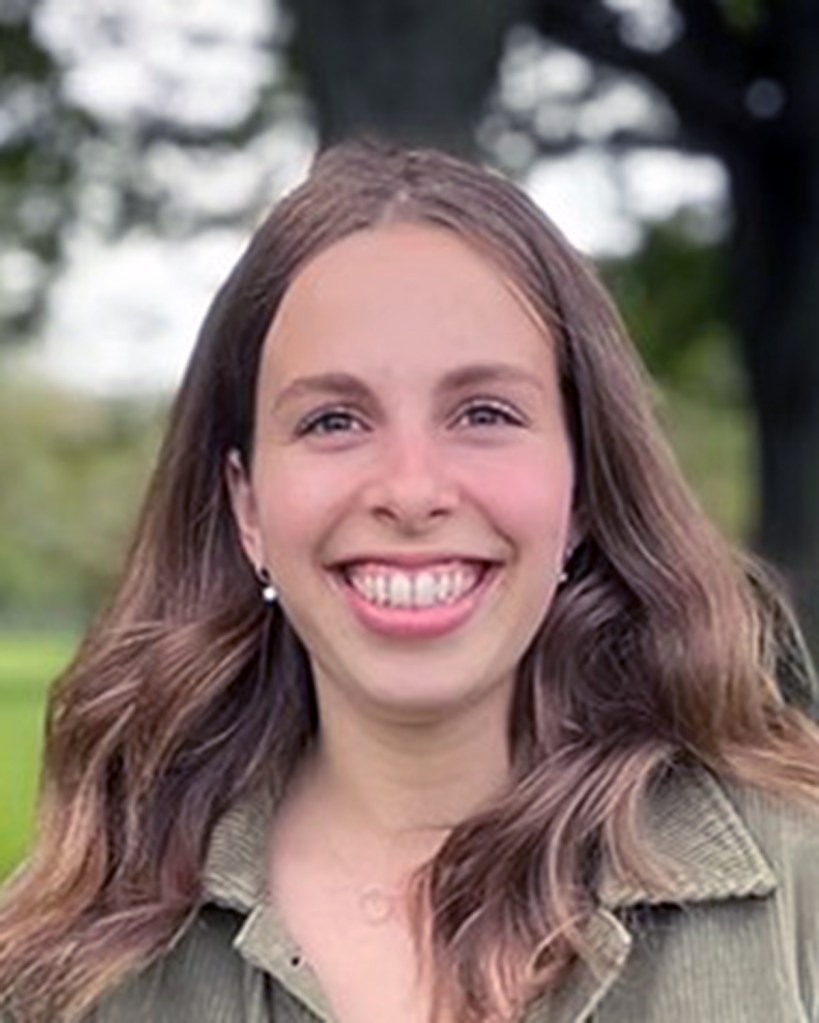
Phoebe obtained her MChem degree in Chemistry from Cardiff University in 2019. During her bachelor’s, she spent a year at Monash University, Melbourne, Australia, where she worked on the synthesis of phosphindoles and alkali metal mediated metalation reactions. In her master’s, she developed novel carbene heterobimetallic complexes to study their use as dual-modal motifs – combining luminescent and antiproliferative properties. Following this she joined the Soft Matter for Formulation and Industrial Innovation (SOFI2) CDT program at Durham University. Subsequently, in 2020, she joined the lab of Dr Jennifer Garden as a PhD student at the University of Edinburgh. Her research focussed on exploring multimetallic cooperativity in ring opening copolymerisations of cyclic esters. From here, she moved to the University of Lille for her first postdoc position, which focussed on investigating the thermal and mechanical properties of biodegradable polyesters syntheised via chain shuttled copolymerisations. In September 2025, Phoebe is presently working on a collaborative project between the Lerch and Vollmer Groups studying mechano-chemical delamination for coating recycling.
Clement Chan
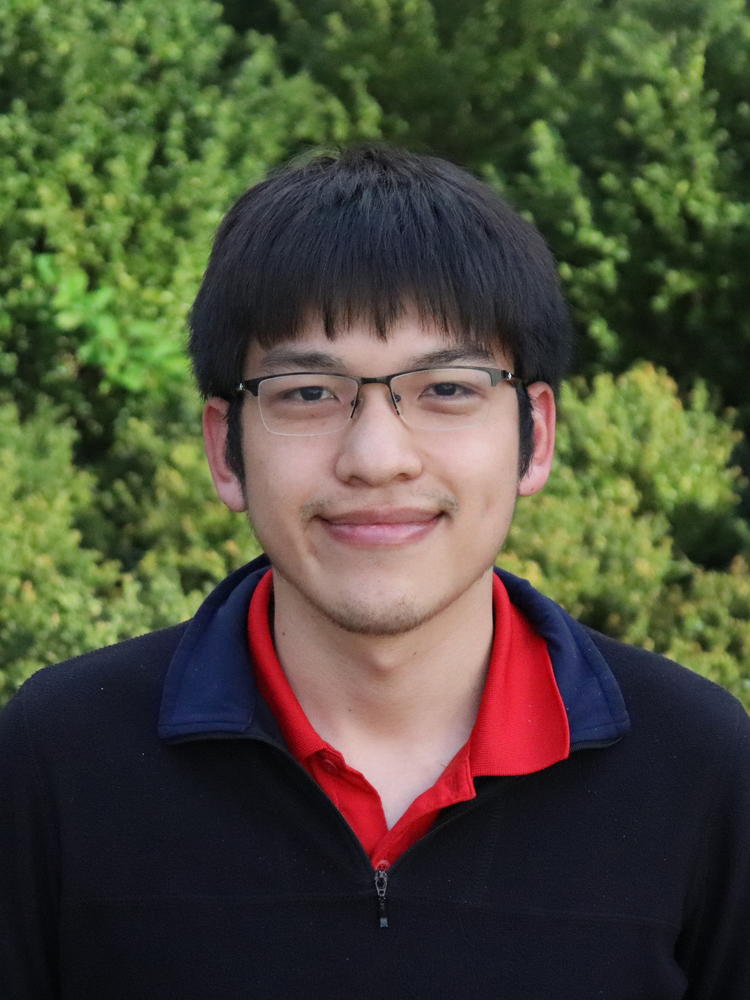
Clement Chan received a MSci in Natural Sciences (2017) and subsequently a PhD in Chemistry (2022) at the University of Cambridge under the supervision of Prof. Silvia Vignolini, where he studied the liquid crystalline and photonic properties of cellulosic polymers. Subsequently, he joined the lab of Prof. Emily Davidson at Princeton University, where his research focused on the synthesis and characterisation of both liquid crystalline oligomers and elastomers. Clement recently joined the Lerch group in 2023 as a Marie Curie Global Fellow, and he is looking forward to studying the photonic properties of colloidal supraparticles and microphase separated polymeric systems.
PhD Students
Adriana Vasi (shared appointment with the Surgical Robotics lab)
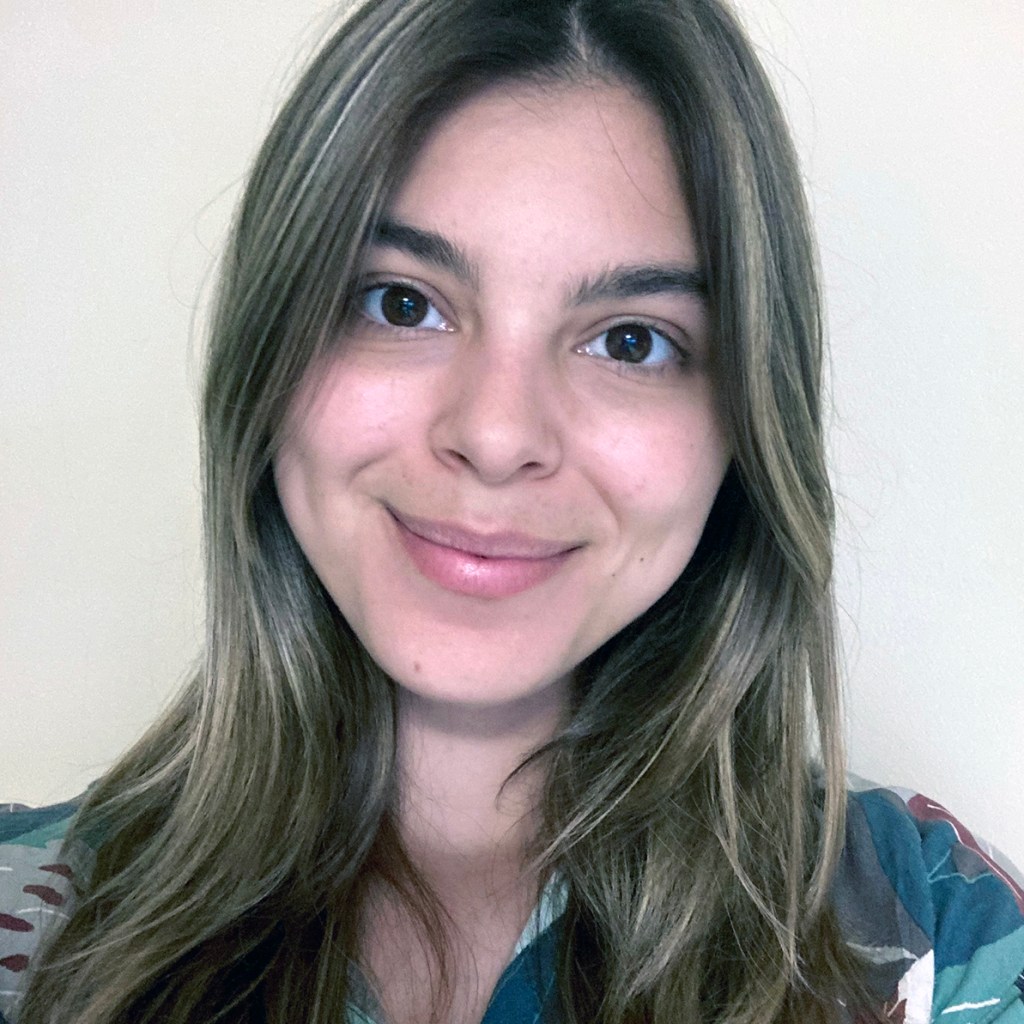
Adriana Vasi obtained her BSc degree in Medical Physics from the West University of Timisoara in Romania, followed by a MSc degree in Biomedical Engineering at University of Groningen. During her bachelor’s thesis, she worked on updating the semi-empirical equation of UV index estimation. Her master’s thesis was focused on creating a mobile set-up for automatic ultrasound tracking and magnetic actuation of surgical soft robots. Her HTRIC-funded PhD project brings together the Surgical Robotics Lab, Lerch group, and the department of vascular surgery at UMCG to develop a hydrogel-based, multi-responsive miniaturized robots to replace current stent graft materials for aneurysm treatment.
Yingqi Ren
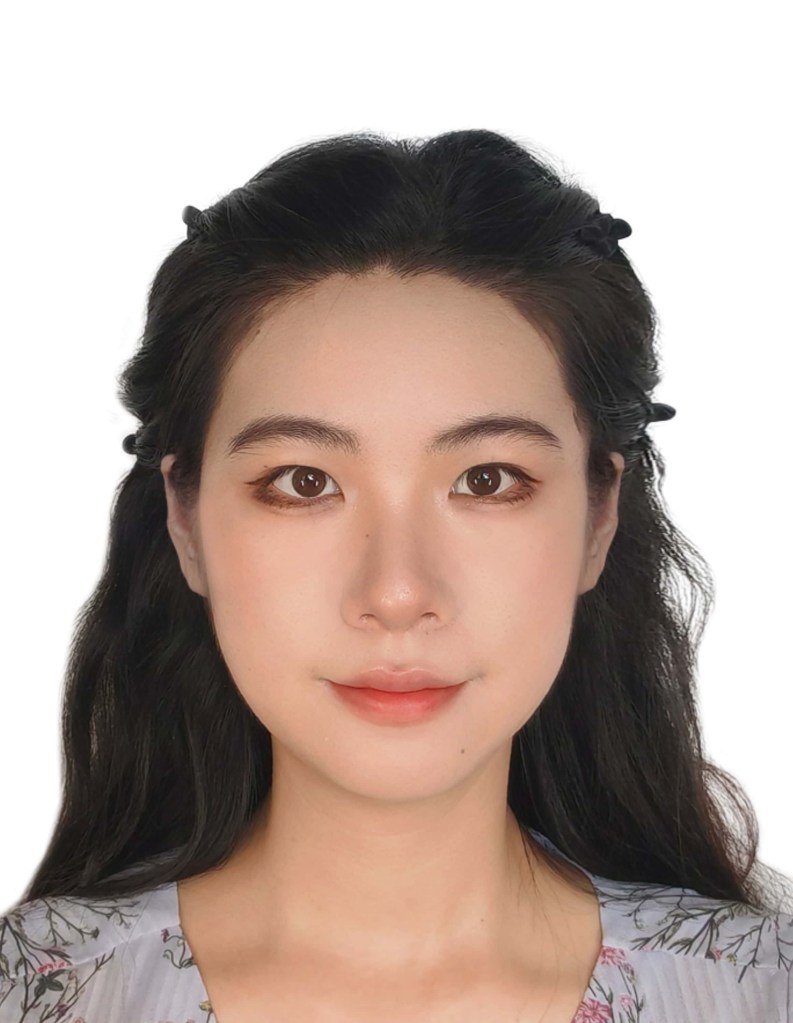
Yingqi Ren obtained her BSc degree in Applied Chemistry at Qingdao University of Science and Technology in 2020. After that, Yingqi finished her Master’s degree in Material Science & Engineering at Shanghai Institute of Technology in June 2023. In her Master’s research under the supervision of Prof. Zhifu Liu, she focused on the fabrication of SiO2 photonic crystals and tuning the electrical response of structural colored materials. Yingqi joined the Lerch group in November 2023 to delve into responsive, structurally colored materials for smart applications.
Mahdi Samapour (shared with the Beil and the Schnitzer lab)
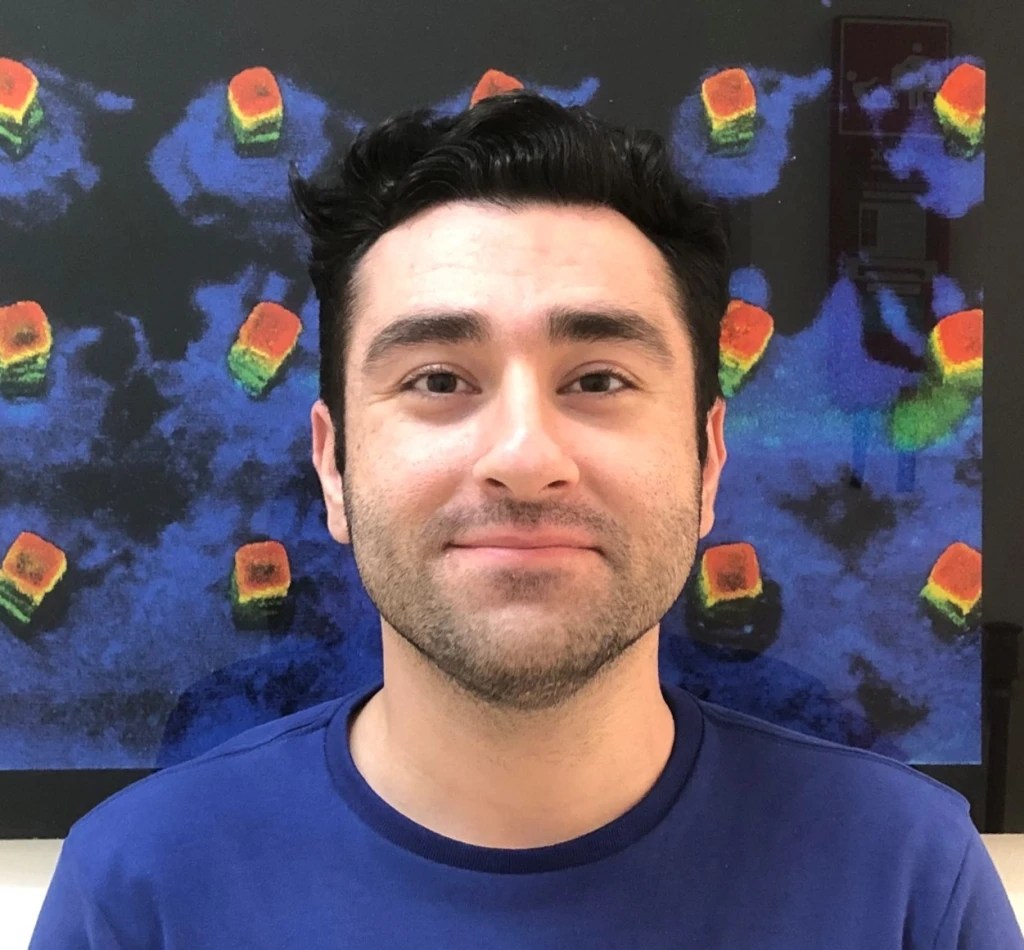
Mahdi was born in Iran. He got his BSc in Pharmaceutical Chemistry at Damghan University, and his MSc in Quantum Materials, Energies & Technologies (QMET) at Khatam University. During his MSc studies, he investigated the effect of the saffron extract on the aggregation of amyloid-beta peptides involved in Alzheimer’s disease. Afterward, he went to France to start his second MSc at Sorbonne University in Materials chemistry with a full scholarship. He conducted his MSc thesis project in the LBM and BioCIS Laboratories and developed chemical ligation tools to access modified homeodomain proteins; for this project, Mahdi was awarded financial support from the Sciences and Technics Institute of CY Cergy Paris University. Now, he is a PhD candidate and works on Smart Coatings.
Marina Karsakova
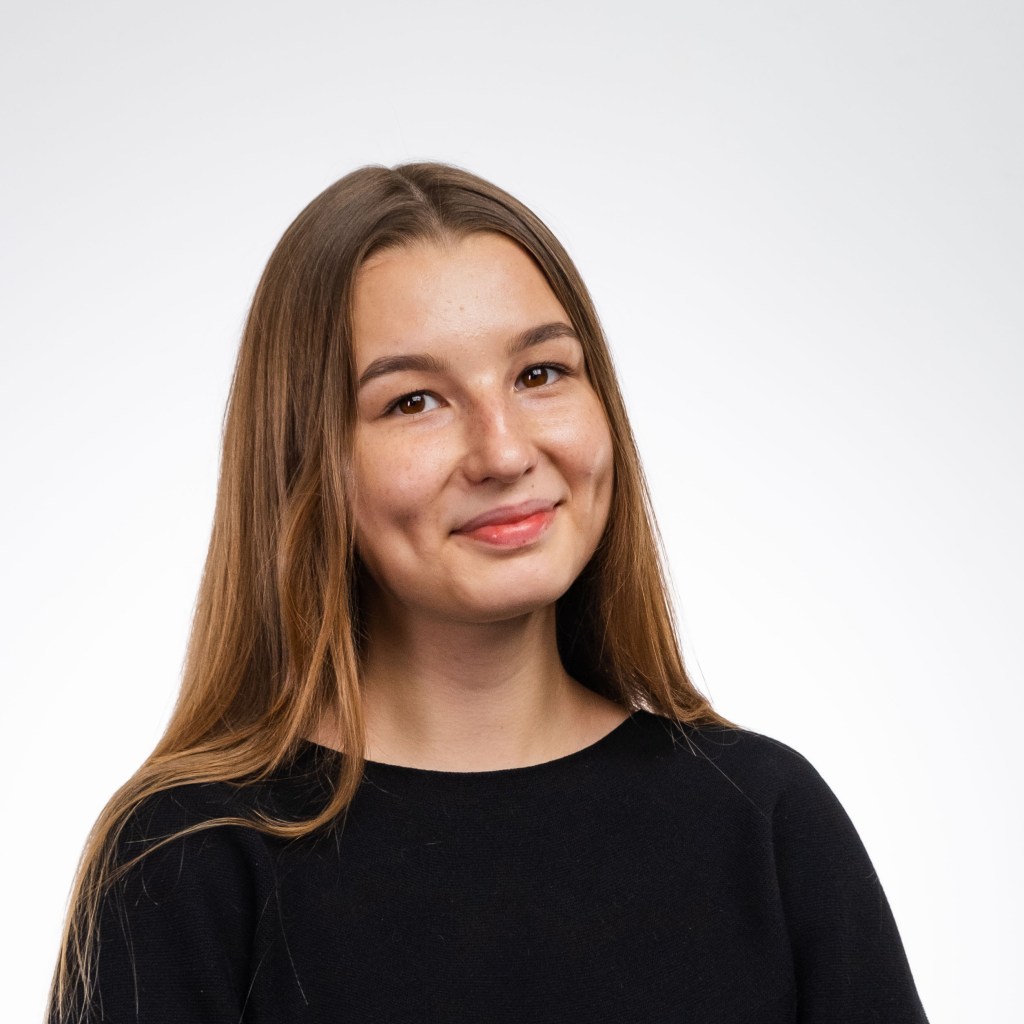
Marina Karsakova earned her BSc degree in Chemical Engineering from the Saint Petersburg State Institute of Technology in Russia. During this time, her thesis project focused on recycling internal waste from polymer packaging production in close collaboration with the R&D Department of Klöckner Pentaplast Rus Corporation. Subsequently, Marina completed her Master’s degree at the Department of Physics at ITMO University, where her research projects aimed to develop a combined method for fabricating colloidal solutions of optically resonant nanoparticles and their self-assembly. Marina began her PhD studies in the M. Lerch group in April 2023. Her research project centers on the scalable fabrication of biobased stimuli-responsive supraparticles.
Foteini Trigka
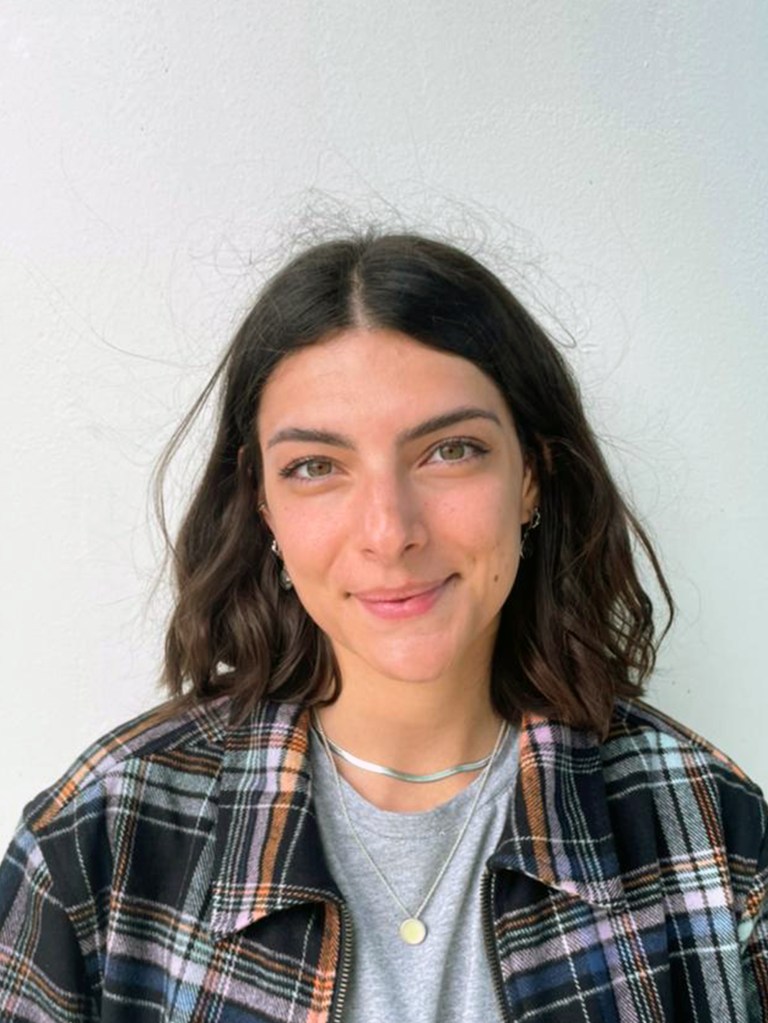
Foteini Trigka obtained her BSc degree in Chemistry in 2018 and her MSc in Organic Chemistry in 2020, both at National and Kapodistrian University of Athens, Greece. During her bachelor’s thesis, she developed novel organic compounds to examine their use as epoxidation catalysts. In her master’s, she was involved in the preparation of hydroxamic acids and study of their catalytic activity in organocatalytic oxidation reactions. Both projects were carried out under the supervision of Assoc. Prof. C.G. Kokotos. In August of 2022, she joined the Lerch research group for a PhD working on patterned chemical communication cascades. As for hobbies, if there’s adventure, count me in!
Jarne de Jong

Jarne de Jong was born in Borger in 1995. He obtained his BSc degree in Chemistry in 2019, and afterwards his MSc degree in Chemistry in 2021, both at the University of Groningen. During his Bachelor’s he performed research on the self-assembly of amino acid-based low molecular weight hydrogelators. In his Master’s he performed research towards asymmetric catalysis in low molecular weight gelators. Both projects were performed under the supervision of Prof. Dr. Wesley Browne. Afterwards he performed a research internship at Philips Domestic Appliances Drachten. Jarne started in January 2022 as the first student within the Lerch research group working on synthetic reaction cascades embedded in soft materials.
MSc Students
Maribel Veel
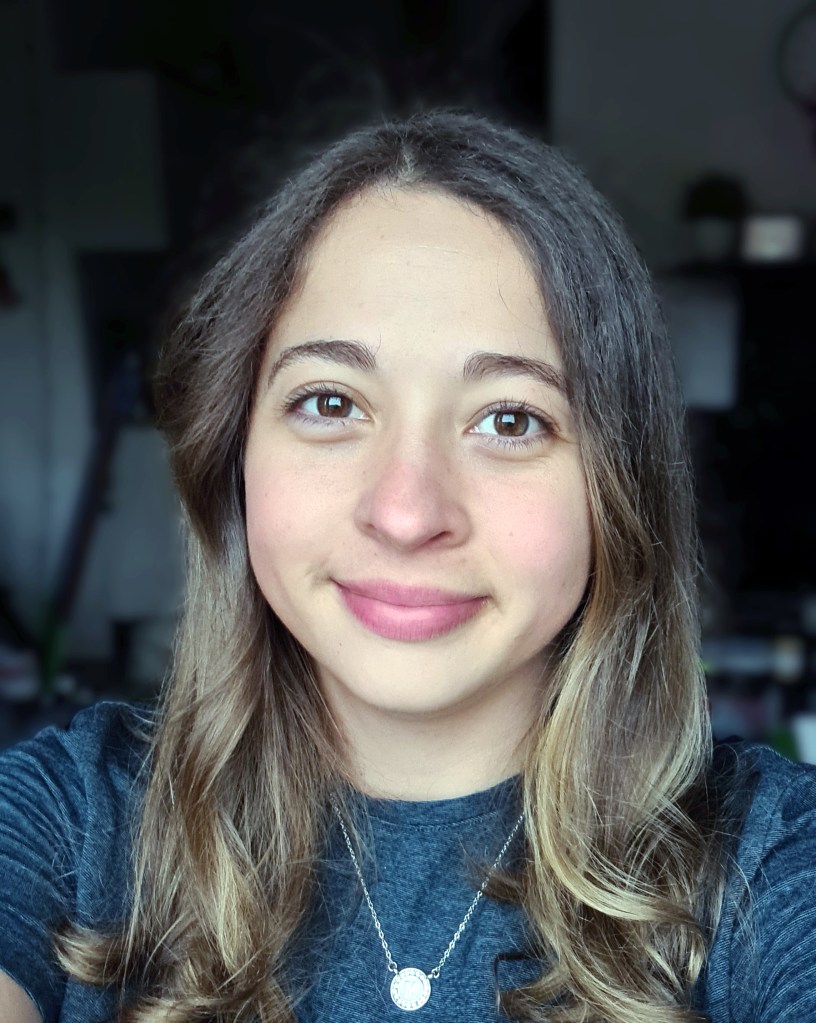
Maribel Veel obtained her Bachelor’s degree in Chemistry from Hanze University of Applied Sciences. Her bachelor’s project took place at Regenity (formerly known as Polyganics) and focused on the step-by-step synthesis of biodegradable polyurethane foam for use in medical devices. The goal was to optimize the input material ratios across multiple reaction steps and analyze the data using a Design of Experiments (DoE) approach. Furthermore, for her bachelors minor project she worked on developing a solid calibration disc containing near-infrared (NIR) fluorescent dye. This disc was designed to calibrate a camera developed by SurgVision, an operative imaging system with high sensitivity to near-infrared (NIR) light. In September 2024, Maribel joined the Lerch group to conduct her Master’s research project, focusing on the synthesis of spherical biobased nanoparticles (NPs) as building blocks for self-assembly application, aimed at creating photonic pigments that display structural colors.
BSc Students
Chiti Belwal
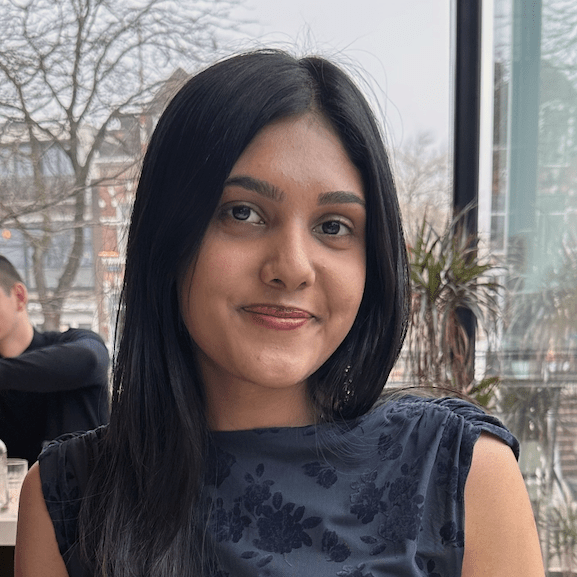
Chiti Belwal, originally from India, is a third-year Biomedical Engineering student at the University of Groningen. She is currently working on an extracurricular project with our group, focusing on the prototyping and fabrication of soft robotic systems. Her work centers on soft actuation and the engineering of compliant mechanisms, with a focus on developing and testing functional prototypes. She is interested in advancing engineering solutions in soft robotics in relation to biomedical devices.
Gonzalo Fernandez del Moral Gonzalez-Vigil

Gonzalo Fernandez del Moral is a third-year Chemistry student at the University of Groningen, with a strong interest in sustainability and green chemistry. He is currently working on his bachelor’s thesis within the field of functional materials, developing biobased nanoparticles for structural colour applications and exploring sustainable alternatives for next-generation optical materials. Outside the lab, he enjoys meeting new people and staying active through sports.
Vasilis Koutsogiannpoulos
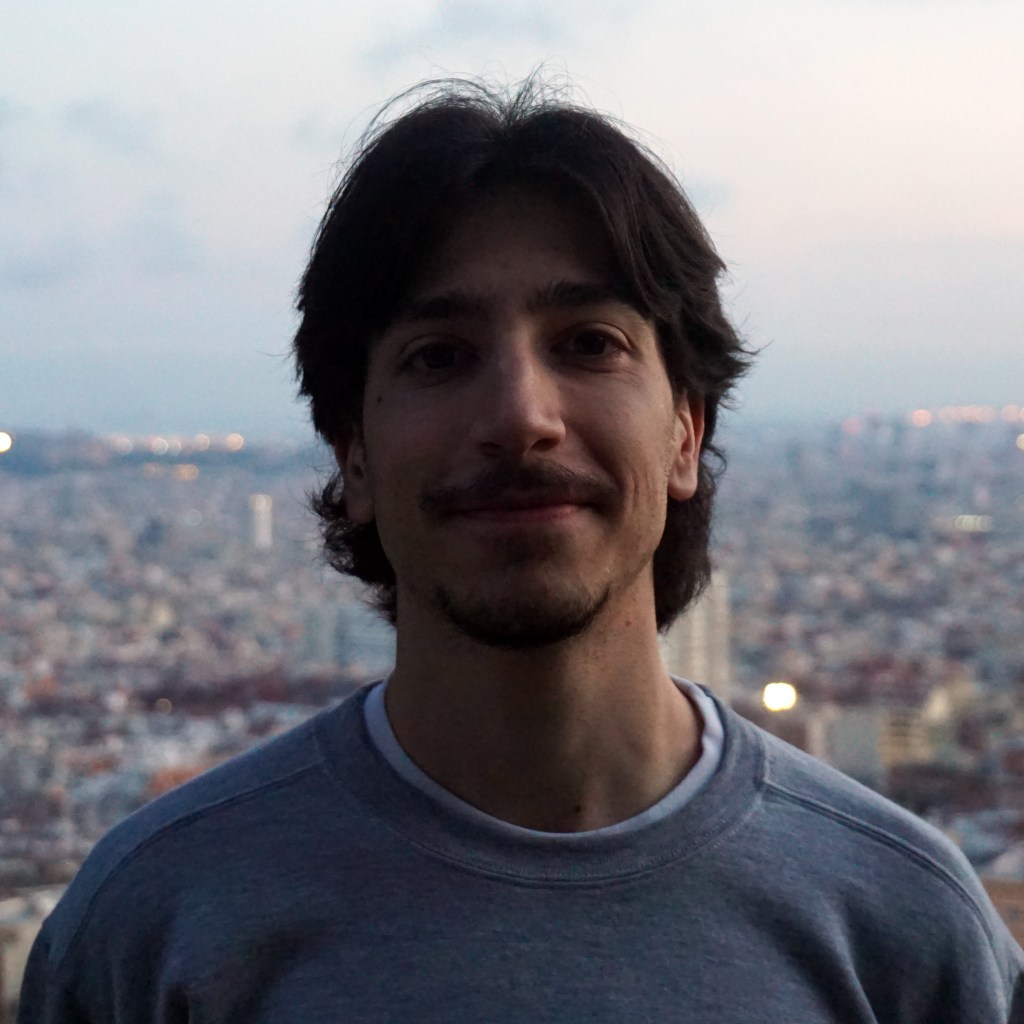
Vasilis Koutsogiannpoulos is a third-year Chemistry student at the University of Groningen, specializing in Sustainable Chemistry and Energy. He is currently working on his bachelor’s thesis within the Autonomous Soft Materials Research Group, investigating the adhesive properties of a variety of peptide-based molecules. In his free time Vasilis plays floorball for U.C. Face Off Groningen, and football for a Faculty of Science and Engineering team. He plans to pursue his graduate studies in Catalysis and Sustainable Chemistry.
Alexandra-Iuliana Spiridon-Scurtu
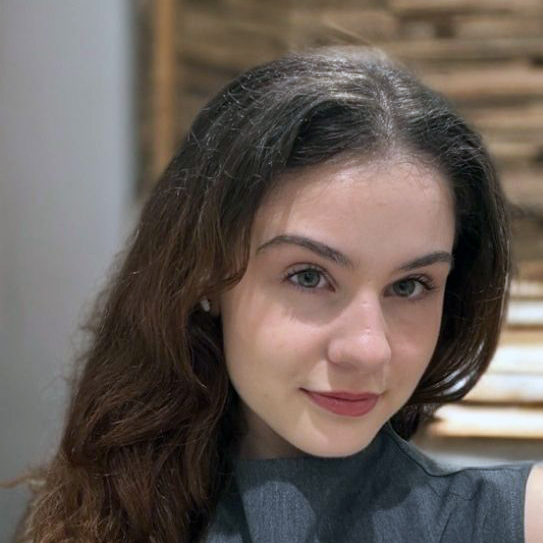
Alexandra Spiridon is a third-year Biomedical Engineering student at the University of Groningen, completing her minor in Medical Device Design. She is currently working on her bachelor’s thesis within the Autonomous Soft Materials Research Group working on designing, building, and adjusting a customizable 3D printer for the fabrication of kinetically controlled photonic materials.
Belén de Villa del Cañizo
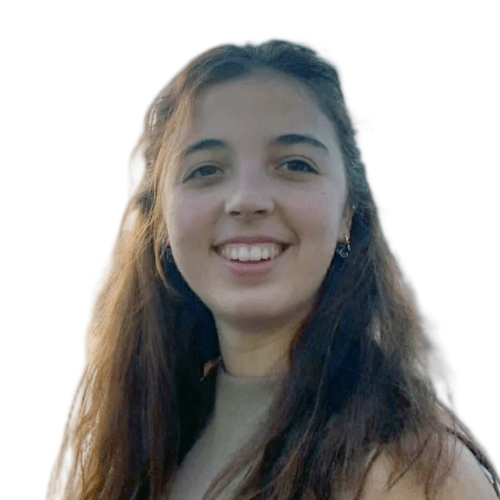
Belén de Villa del Cañizo is currently completing her Bachelor’s degree in Biomedical Engineering at the University of Groningen. She is specialising in biomaterials and has developed a strong interest in tissue engineering and drug release systems. For her bachelor’s thesis, she will focus multimaterial 3D printing for photonic applications. She plans to pursue graduate studies in materials science and engineering to further explore advanced biomaterials and fabrication techniques.
Laura Mourelo Soler
Laura is a 2nd-year biomedical engineering bachelors student at the University of Groningen. She grew up in Spain, America and Switzerland and has been passionate about science early on. She finished high school in Switzerland with a focus on biochemistry, with a Maturaarbeit on „Retention Of Information During The Learning Process In 8-12-Year-Old Children Through Sensory Stimulation“. Laura is broadly interested and was involved in creating a student council and school newspaper, has been active at National Model United Nations and the European history bowl. In her free time, she is passionate about basketball and taekwondo.
Institutional Support
We thank all technical staff from the Stratingh Institute for Chemistry, the Faculty of Science and Engineering, and the University of Groningen for their relentless support and enthusiasm.
 Lerch Lab