This page is dedicated to on-going teaching innovation projects. Read here more about the recently awarded NRO SoTL and Comenius Teaching Fellow projects.
NRO SoTL – Beyond solving problems: Measuring the impact of collaborative activities on chemistry students’ performance and belonging
This project aims to enhance student belonging and learning in an introductory chemistry course by introducing collaborative, fun, interactive, and engaging activities. Two distinct activities—puzzle creation and complex problem-solving—will be implemented in small student groups during tutorials and compared over an 8-week period. Anticipated outcomes include improved belonging in puzzle creation due to its playful nature. However, comparable final exam scores are expected for both groups. The study utilizes mixed methods to conduct research, and teaching staff will receive training to ensure equitable support. Overall, the study will contribute valuable insights into optimizing student experiences in science courses.
NRO Comenius – Increasing Student Belonging Through Representation and Participation
Identifying with course content requires students to feel engaged and represented. Traditional science curricula are too often not inclusive enough, discouraging students from contributing their diverse backgrounds to their learning environment. In this project, we create portraits of underrepresented chemists and combine them with diversified chemistry escape games in the context of a basic chemistry course. Inclusivity and learning are thus tackled synergistically, providing students a safe and playful environment to deepen their chemistry knowledge and identify with role models, while learning to work together and appreciate contributions from chemists of different (often neglected) backgrounds.

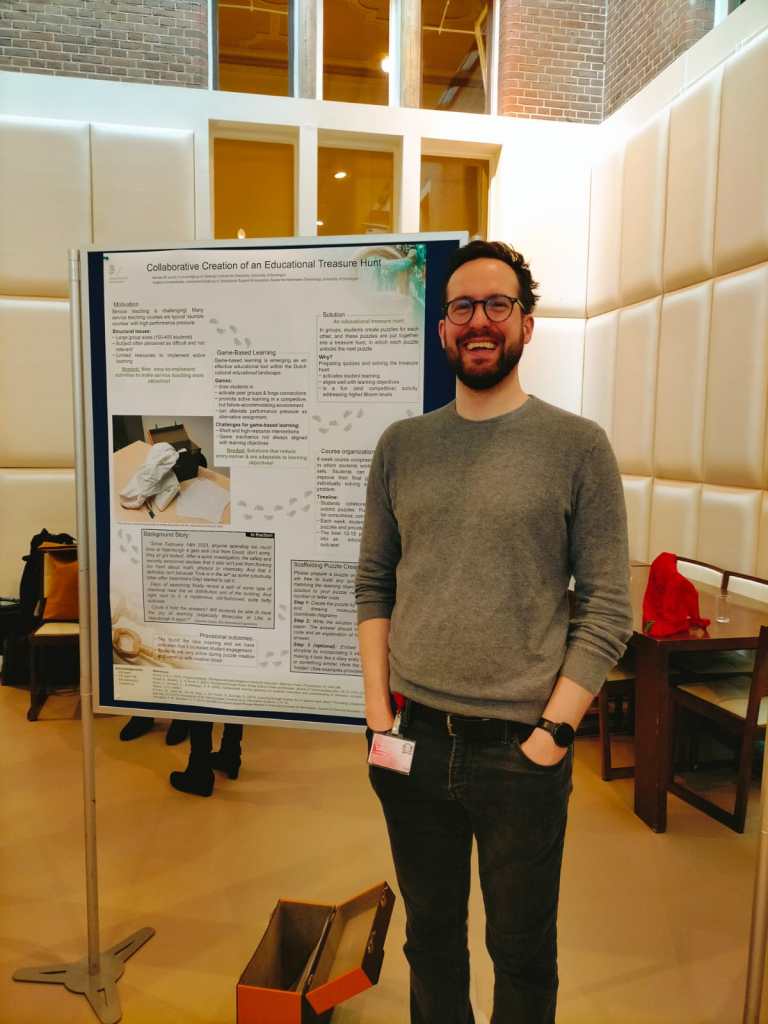
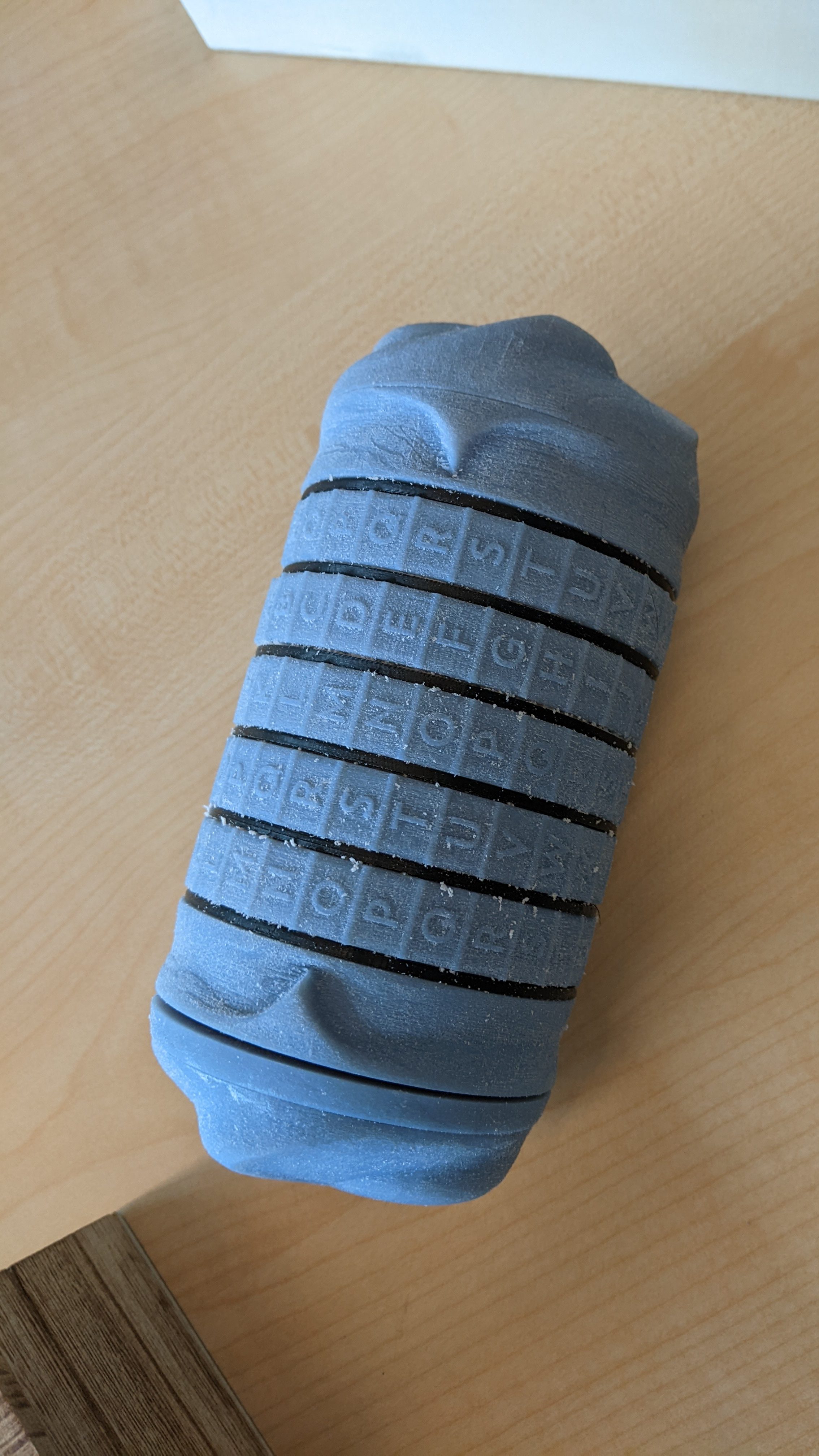
Learning chemistry can be hard, particularly for first year students. Active and game-based learning techniques can help students tackle challenging content while engage with peers. At the same time, such techniques allow us to feature diverse role models for chemists of the future with diverse backgrounds.
Funders
 Lerch Lab